
Ready to get started?
Easily integrate next-generation payments and financial data into any app. Build powerful products your customers love.
SHARE ARTICLE


 Share link copied!
Mortgage broker fees in the UK can range from £0 to £1,000 or more, depending on the broker and the mortgage you need. Some brokers are paid entirely through commission from the lender, while others also charge you a fee. Where a fee applies, it’s commonly between £300 and £1,000, and Boon Brokers 2026 survey put the average at £643 for a purchase and £623 for a remortgage.
The fee isn’t always paid upfront. Some brokers collect it when you apply, while others charge once you receive a mortgage offer or complete the purchase. Refunds also depend on the broker’s terms, so check what happens to your money if the mortgage doesn’t go ahead.
How Do Mortgage Brokers Get Paid?
Mortgage brokers and mortgage advisers do the same job, so mortgage advisor fees and broker fees work in much the same way.
Most brokers receive a commission from the lender when your mortgage is completed. This is called a procuration fee and it’s typically around 0.35% of the loan amount, though it can range from 0.2% to 0.5% depending on the lender. The lender pays this commission rather than you paying it directly.
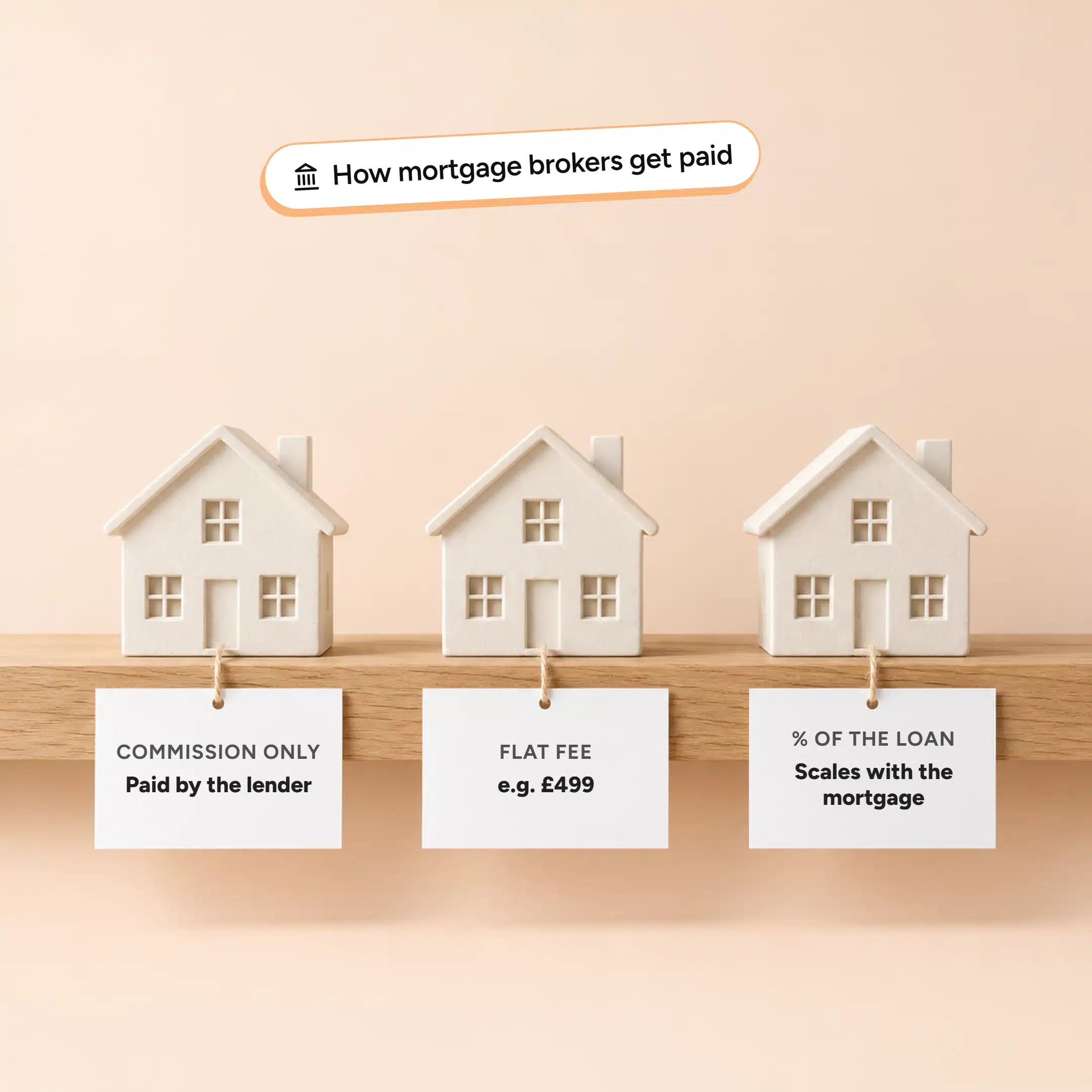
The main difference between brokers is whether they charge you an additional fee. Here are the three ways on how mortgage brokers get paid:
| Model | What you pay | Example |
|---|---|---|
| Commission only (fee-free) | Nothing to the broker | L&C, Mojo and First Mortgage are paid only by lender commission |
| Flat client fee | A set amount, often split by stage | MF Brokers: £199 on application plus £599 on the mortgage offer |
| Percentage of the loan | A percentage, shown as a cash example | 0.3% of a £200,000 loan is £600 |
Some brokers also offset the commission they receive from the lender against their client fee, reducing the amount you need to pay.
How Much Do Mortgage Brokers Charge in the UK?
If you’re wondering how much mortgage brokers charge, a typical fee falls between £300 and £1,000. The actual amount varies depending on the broker, the size of the loan and how complex your case is.
Aforementioned Boon Brokers survey of 2,000 people who bought or remortgaged in the previous 12 months, found:
- Average fee: £643 for a purchase and £623 for a remortgage, up from £500 the year before
- Most common fee: £500, followed by £700 and £600
- Fee type: 44% paid a fixed fee, 29% a percentage of the loan, around 19% a percentage of the property value and 7% a split fee
- Low fees are rare: fewer than one in ten paid £300 or less
The survey only included people who paid a fee, so it doesn’t reflect the many borrowers who use fee-free brokers.
MoneyHelper, the government-backed guidance service, gives a similar range. Mortgage advice may cost nothing upfront when the adviser is paid through lender commission. Otherwise, fees can range from £300 to £1,000, or between 0.35% and 1% of the loan amount. On a £200,000 mortgage, that percentage would work out to £700–£2,000.
Mortgage Broker Fee Comparison
| Mortgage broker | Fee model | Fee |
|---|---|---|
| L&C, Mojo, First Mortgage, Habito, Boon Brokers, YesCanDo Money | Fee-free, commission only | £0 |
| MF Brokers | Fixed fee, split across stages | £199 + £599 for homebuyers; £199 + £699 for buy-to-let; £99 for product transfers |
| Haysto | Fee range, split across stages | £649–£1,699, including a £299 application fee |
| John Charcol | Client fee based on loan size and complexity | Not published; confirmed before you apply |
| Clifton Private Finance | Usually commission-based, with any professional fee confirmed upfront | Not published |
Note: Fees taken from each broker’s own website, as of October 2026. Fee-free brokers advertise the fact, so they’re over-represented in this list compared with the wider market.
When Do You Pay a Mortgage Broker Fee?
Mortgage broker fees aren’t always collected at the same stage. It depends on mortgage firm’s terms and conditions. You might pay when you submit your mortgage application, when the lender issues a mortgage offer or when the mortgage completes.
Many brokers split the fee between stages. Haysto, for example, takes a £299 application fee and the balance once a mortgage offer is secured. John Charcol says its remortgage fees are typically due after completion.
Boon Brokers survey also says, 46% of buyers paid after the mortgage offer but before completion, 27% paid after the application but before the offer, and 15% paid before the full application was submitted.
On a remortgage, some brokers let you add the fee to the new mortgage instead of paying upfront. You’ll pay interest on it over the term, so check the total cost before agreeing.
The important thing is to understand when each payment becomes due. Your broker should explain this in their initial disclosure, so you know what you’re agreeing to before paying.
Are Mortgage Broker Fees Refundable?
Whether mortgage broker fees are refundable depends on the terms you agreed to. If your property purchase falls through or your mortgage application is unsuccessful, you may be able to recover some or all of the fee. However, this isn’t guaranteed.
Some brokers offer full refunds, others return only part of the fee, and some charge non-refundable fees. Others structure fees so you only pay the larger part once an offer is issued: Haysto, for instance, says you won’t pay anything further if it doesn’t secure an offer.
Under the FCA’s MCOB 4.4A.8 rules, brokers must explain when their fees are payable and, where applicable, the circumstances in which those fees can be reimbursed. It’s better to check these conditions before making a payment, particularly if you’re paying an application fee before receiving a mortgage offer.
What Must a Mortgage Broker Tell You About Their Fees?
Mortgage brokers are required to explain their charges before providing advice.
Under the FCA’s MCOB 4.4A rules, the initial disclosure should make the following clear:
- The amount you’ll pay: Any client fee should be shown as a cash amount wherever possible.
- How percentage fees work: If the broker charges a percentage of the mortgage, they must provide a worked cash example.
- The minimum and maximum fee: Where charges vary, the broker must explain the range and what determines the final amount.
- Payment and refund conditions: You should know when the fee becomes payable and whether it can be refunded.
- Lender commission: The broker must explain whether they receive commission from the lender and whether that commission reduces your fee.
These details concern the broker’s charges. The costs associated with the mortgage itself are provided separately in the European Standardised Information Sheet (ESIS).
Who Pays Mortgage Broker Fees?
There are two possible sources of payment: the borrower and the mortgage lender.
The lender pays the broker’s commission, while the borrower pays any additional client fee charged by the broker.
Lender commission isn’t charged to you as a separate mortgage fee, and the seller of a property doesn’t pay the buyer’s mortgage broker fee.
If you choose a fee-free mortgage broker, you won’t pay a separate advice fee. However, it’s still reasonable to ask how much commission the broker receives and which lenders they work with.
A fee-free service isn’t necessarily better or worse than a paid one. What matters is whether the broker can recommend a suitable mortgage from the lenders they cover.
For Mortgage Brokers: The Cost of Collecting Client Fees
For mortgage firms, collecting client fees is another part of managing costs. The payment method can affect how much the business receives, how quickly payments are confirmed and how much administrative work is involved.
Mortgage and Protection Advisers who charge clients for both services may have separate fees due at different stages. Each payment needs to be tracked against the correct client and service.
Bank transfers can be inexpensive, but payments sometimes arrive without a clear reference. Someone then has to match the money to the right client or mortgage application.
Card payments are familiar to most clients, although card processing fees reduce the amount the firm keeps. There’s also the possibility of a chargeback if a client disputes a payment after their purchase falls through.
Pay by Bank is another great option where the client approves the payment through their banking app. Confirmation typically arrives within seconds, and the payment isn’t subject to the card-scheme chargeback process. The firm’s refund policy and any applicable dispute or fraud procedures still apply.
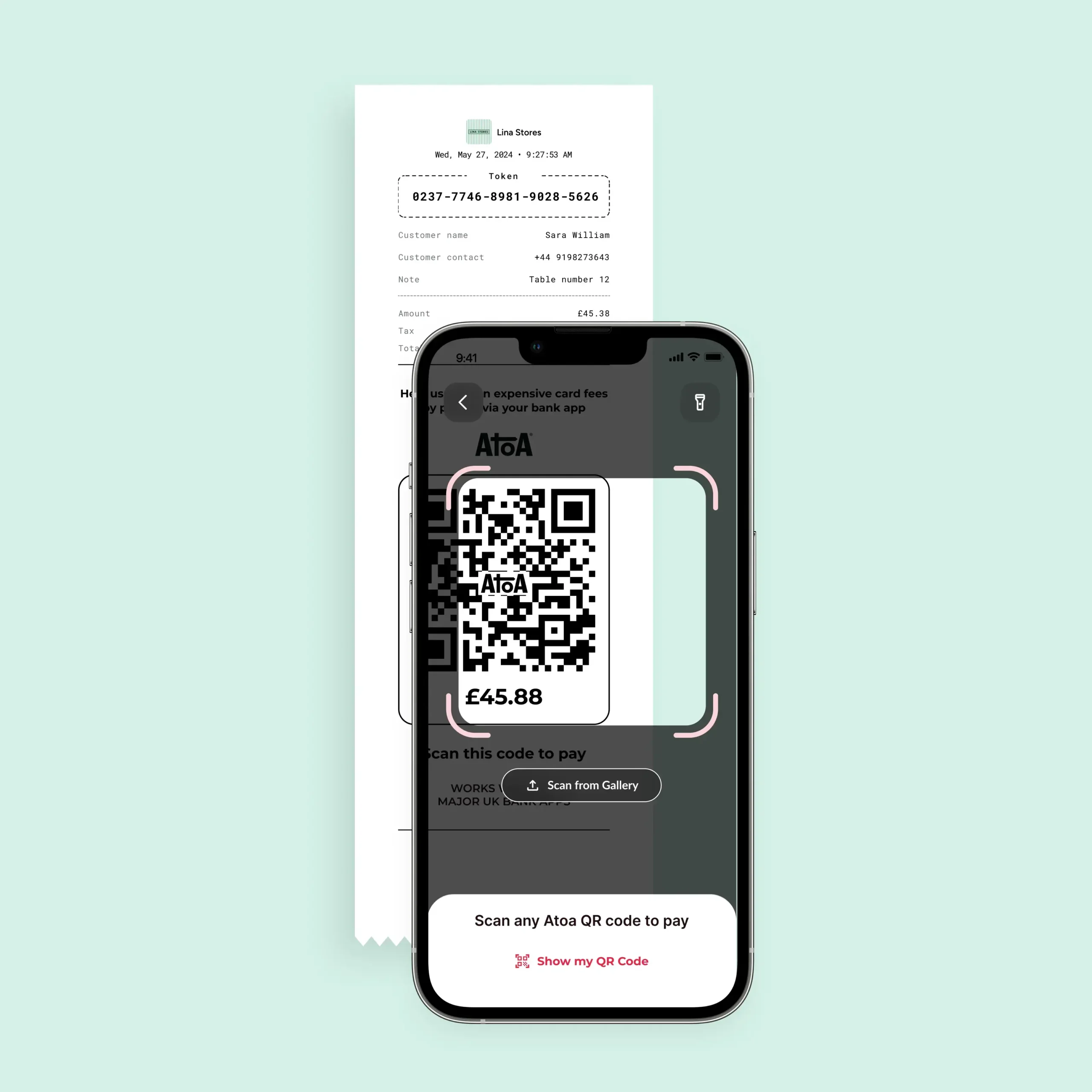
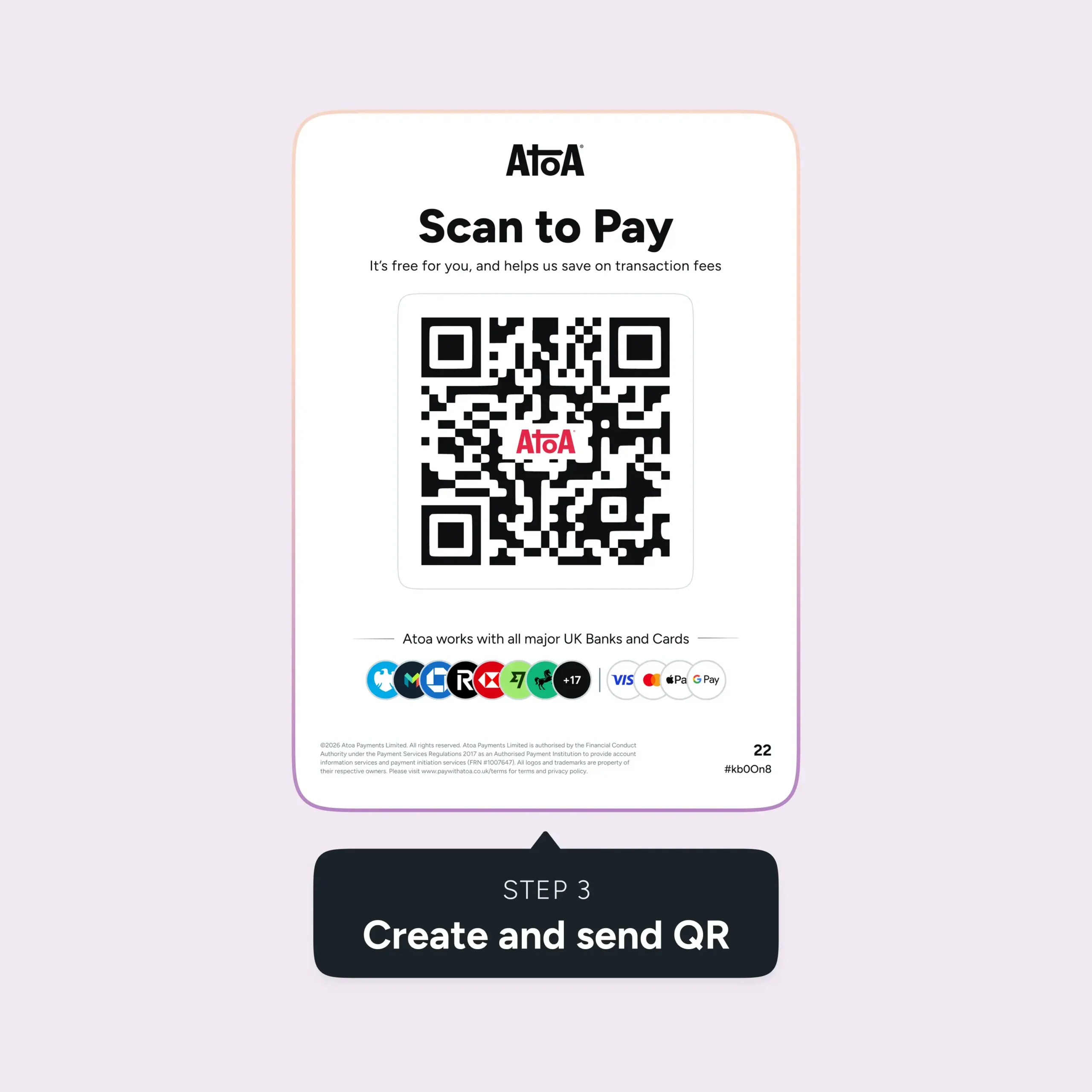
For firms collecting fees remotely, the payment process also matters. With Atoa, mortgage brokers can send a payment link by SMS, email or WhatsApp or add a pay-now button to an invoice. Payments reconcile with Xero, QuickBooks and Sage, reducing the need to match transactions by hand. Current charges are on Atoa’s pricing page.
Payment processing doesn’t change a broker’s regulatory responsibilities. Fee disclosure, mortgage suitability and compliance with MCOB and Consumer Duty remain the responsibility of the mortgage firm.
FAQ
Do All Mortgage Brokers Charge a Fee?
No. Many brokers receive commission from the lender without charging their clients an additional fee.
Is a Fee-Free Mortgage Broker Worse Than a Paid Broker?
Not necessarily. Fee-free brokers earn their income through lender commission rather than charging you directly. The FCA’s suitability requirements apply regardless of how the broker is paid. It’s worth comparing the lenders each broker covers and the advice they provide.
Are Mortgage Broker Fees Tax Deductible?
Mortgage broker fees for your own home aren’t tax deductible. For landlords, broker fees may qualify as incidental costs of obtaining loan finance under HMRC’s BIM45815 guidance.
However, individual residential landlords are generally restricted to basic-rate tax relief on finance costs, as explained in HMRC’s PIM2054 guidance. The treatment depends on the circumstances, so this shouldn’t be taken as personal tax advice.
Sources
- FCA Handbook, MCOB 4.4A Initial Disclosure Requirements
- HMRC, BIM45815 and PIM2054
SHARE ARTICLE
Share link copied!